Leach Lines Installation in Denver, CO
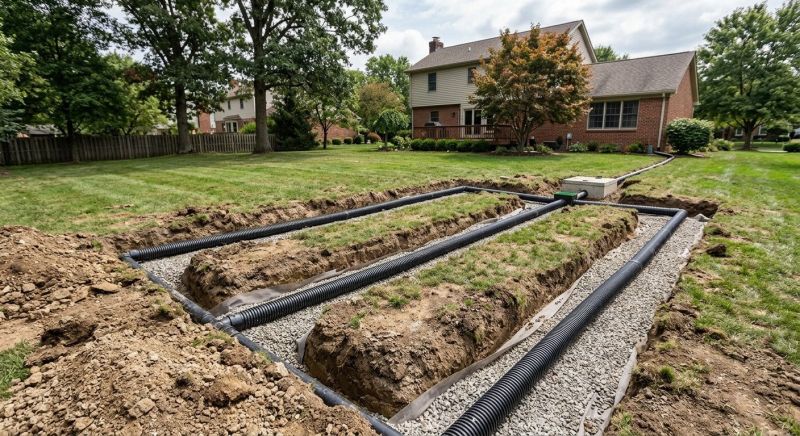
Leach line installation services involve the placement of underground drainage pipes that connect a septic tank to a drain field or leach field. This process is essential for property owners who rely on septic systems, as it ensures proper wastewater dispersal and prevents potential backups or property damage. Projects typically include installing new leach lines during septic system setup, repairing or replacing aging or damaged lines, and upgrading existing systems to meet current standards. Homeowners often want to understand the scope of the installation, the materials used, and how the work will impact their property to ensure a reliable and efficient drainage solution.
Before requesting leach line installation, property owners should consider factors such as the size and layout of their land, local regulations or permits required, and the condition of existing septic components. Knowing the location of utility lines and property boundaries can help prevent accidental damage during excavation. It’s also important to evaluate the soil type and drainage conditions, as these influence the design and effectiveness of the leach field. Clear communication of these details can help ensure the project proceeds smoothly and meets the property’s specific needs.
Many property owners in Denver, CO look into Leach Lines Installation for repairs, replacements, upgrades, and appearance-related improvements.
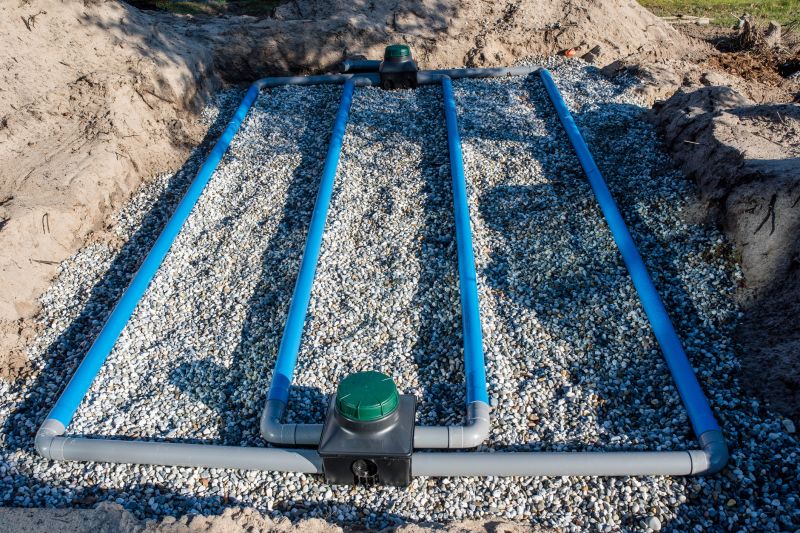
Leach Line Installation Basics
Proper installation ensures effective drainage and prevents property damage.
Signs You Need Leach Line Work
Pooling water, persistent odors, or slow drains can indicate leach line issues.
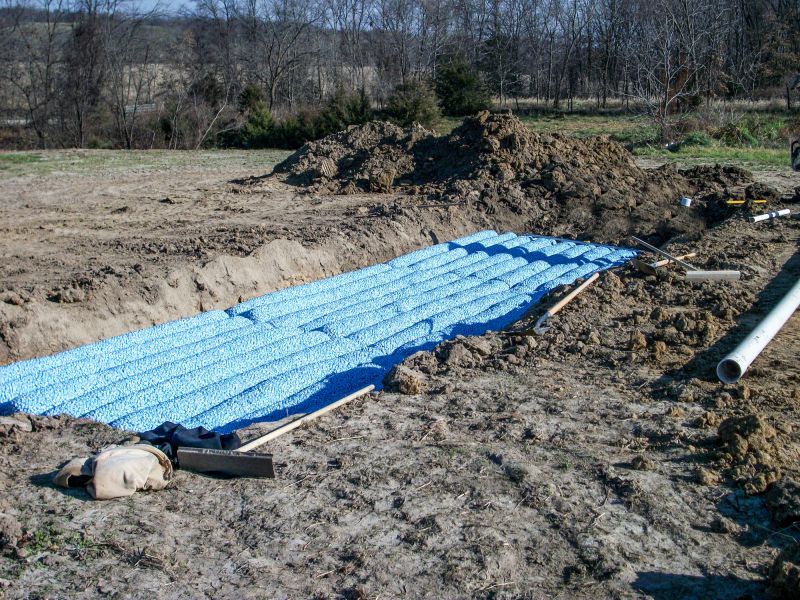
Choosing The Right Leach System
Selecting the appropriate system depends on soil conditions and property size in denver, co.
Leach Lines Installation in Denver, CO

Leach line installation services involve the placement of underground drainage pipes that connect a septic tank to a drain field or leach field. This process is essential for property owners who rely on septic systems, as it ensures proper wastewater dispersal and prevents potential backups or property damage. Projects typically include installing new leach lines during septic system setup, repairing or replacing aging or damaged lines, and upgrading existing systems to meet current standards. Homeowners often want to understand the scope of the installation, the materials used, and how the work will impact their property to ensure a reliable and efficient drainage solution.
Before requesting leach line installation, property owners should consider factors such as the size and layout of their land, local regulations or permits required, and the condition of existing septic components. Knowing the location of utility lines and property boundaries can help prevent accidental damage during excavation. It’s also important to evaluate the soil type and drainage conditions, as these influence the design and effectiveness of the leach field. Clear communication of these details can help ensure the project proceeds smoothly and meets the property’s specific needs.
Many property owners in Denver, CO look into Leach Lines Installation for repairs, replacements, upgrades, and appearance-related improvements.
Common Leach Lines Installation Jobs
Leach line installation involves setting up drain lines to properly manage wastewater from septic systems.
Drain field repair helps restore function when leach lines become clogged or damaged.
Leach line replacement is necessary when existing lines fail to drain effectively over time.
Drain field expansion allows for increased wastewater capacity to accommodate property growth.
Leach line inspection identifies potential issues before they lead to system failure.
Leach line cleaning removes buildup to maintain optimal drainage performance.
Leach Lines Installation Questions
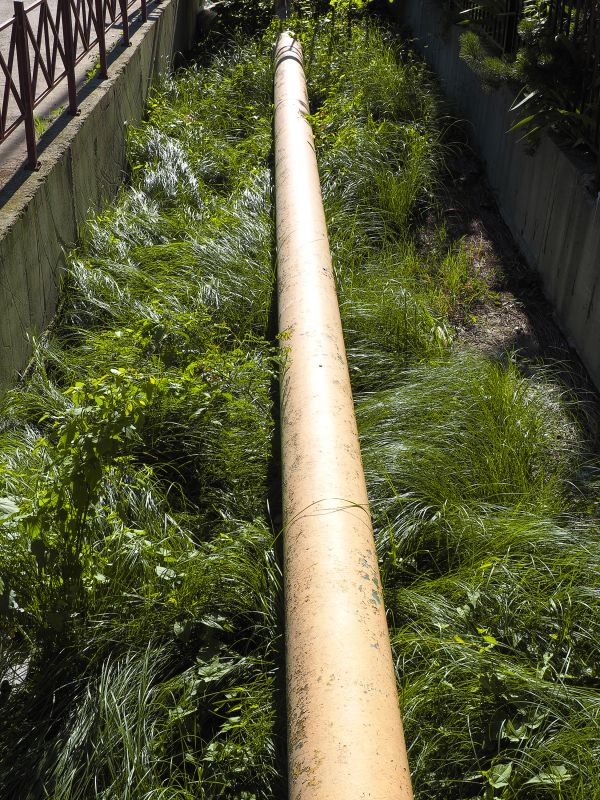
What are leach lines used for? Leach lines are part of a septic system that disperses treated wastewater into the soil, helping to prevent backups and maintain proper drainage.
When should leach lines be replaced? Replacement is typically considered if the lines are clogged, damaged, or no longer effectively drain wastewater from the property.
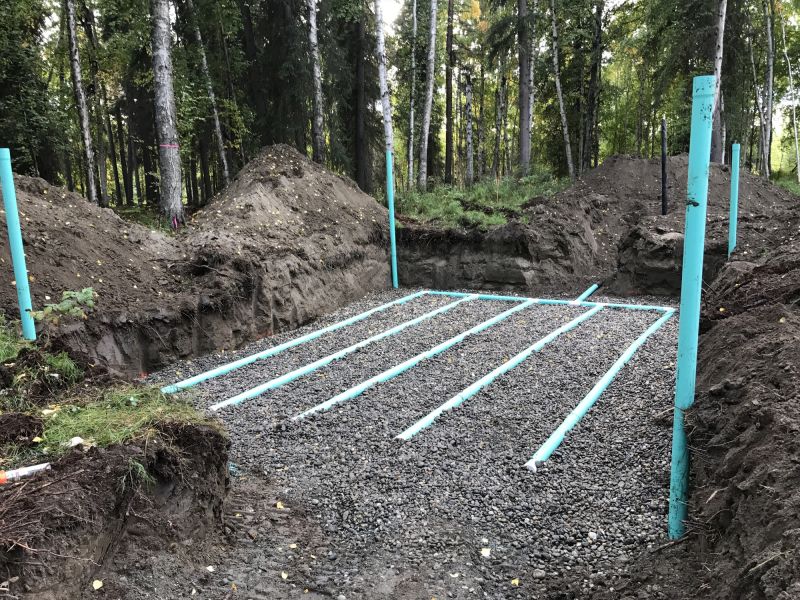
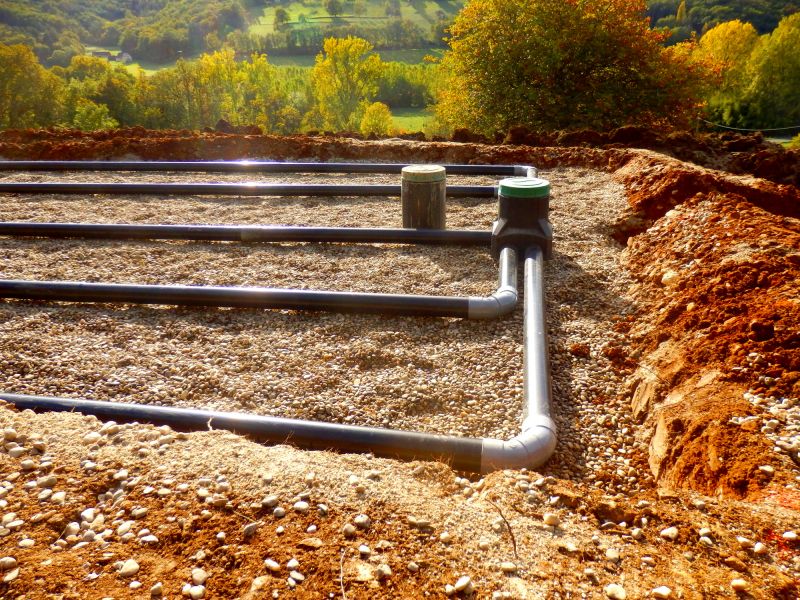
How are leach lines installed? Installation involves excavating the area, laying perforated pipes, and covering them with gravel and soil to allow proper filtration and drainage.
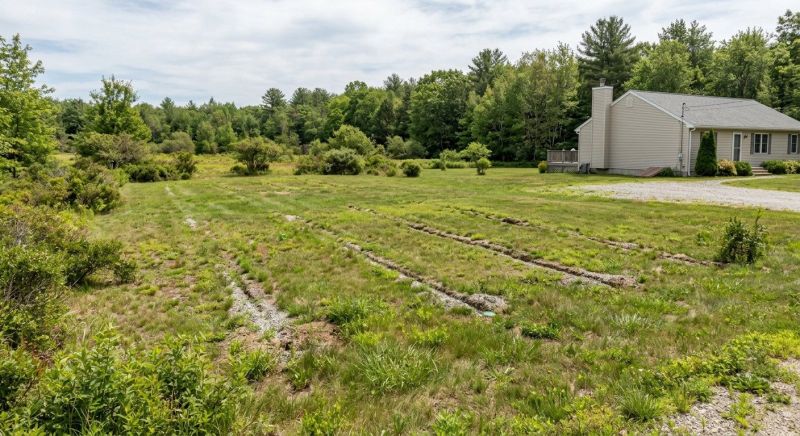
What signs indicate leach line issues? Signs include slow drains, foul odors, lush patches of grass over the drain field, or standing water in the yard.
Request Leach Lines Installation in Denver, CO
Use the quote form on this page to share the basics of your project and request more information for the type of work you need.